
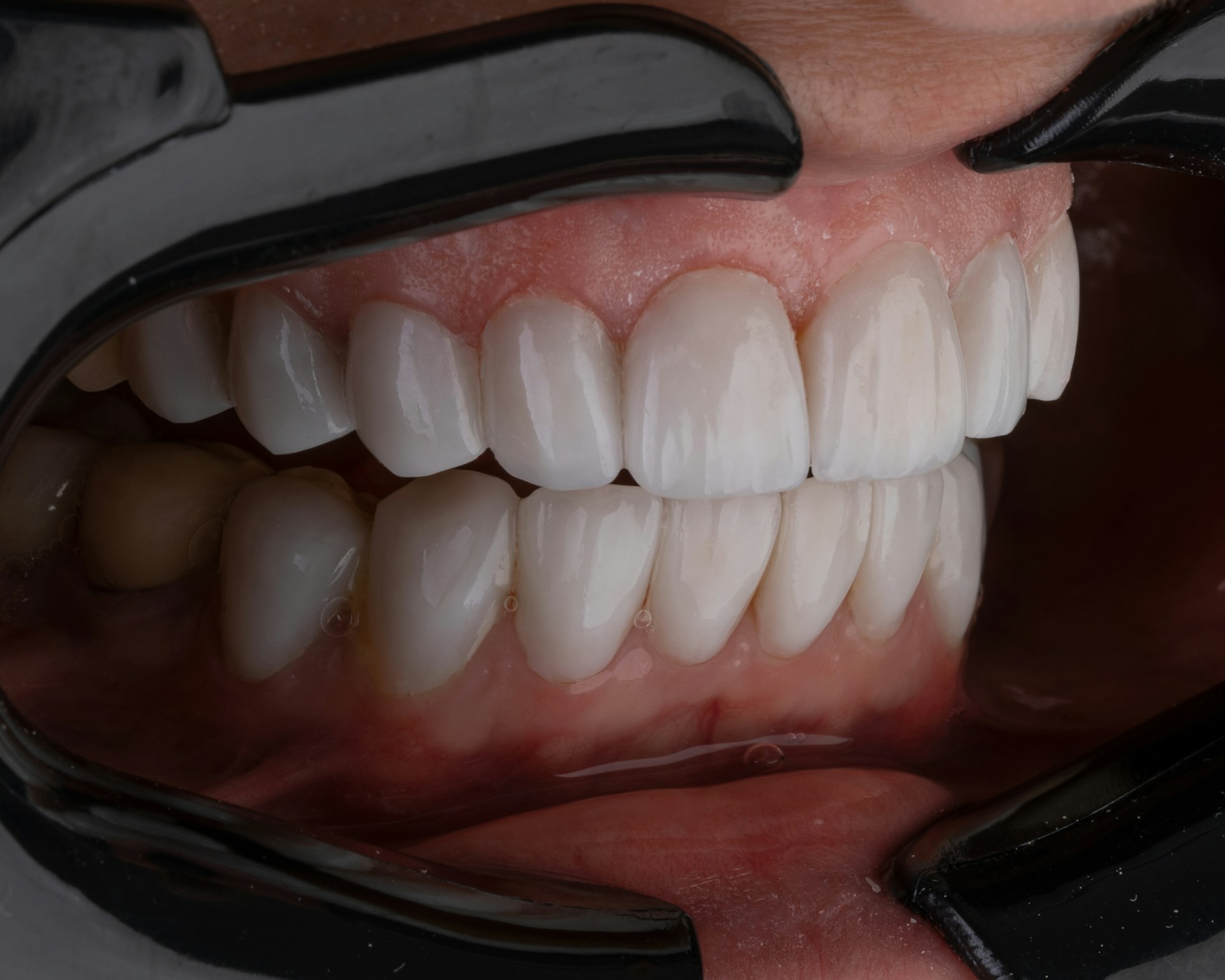
What Is Composite Bonding? A Simple Guide to This Popular Dental Treatment
Composite bonding is having a moment—and for good reason. It’s quick, affordable, and often done in a single appointment, making it one of the most accessible cosmetic dental treatments available today. Whether you’re dealing with chips, gaps, or slight discoloration, composite bonding can enhance your smile without the commitment or cost of more invasive procedures. But what exactly does it involve? If you’re wondering whether it’s right for you, here’s everything you need to know.
The Basics of Composite Bonding
At its core, composite bonding is a process where a tooth-colored resin is spread over the teeth to correct minor defects. The material is shaped and polished to match your natural teeth, blending in seamlessly. It’s often used to fix small chips, close gaps, and improve the appearance of slightly misaligned or discolored teeth. Because it requires little to no removal of your existing tooth structure, it’s considered one of the most conservative cosmetic options.
Fast Results Without the Fuss
One of the biggest draws of composite bonding is how quickly the transformation can happen. In most cases, the entire process takes less than an hour per tooth and doesn’t require anesthesia. Composite bonding London services are drawn to how easy and non-invasive the treatment is compared to options like veneers or crowns. It’s often called the “lunchtime smile makeover” because you can walk in with imperfections and walk out with a noticeably improved smile in just one visit.
How It Compares to Other Cosmetic Treatments
Composite bonding is often compared to veneers, but the two procedures are quite different. Veneers are made from porcelain and require custom fabrication in a lab, often involving multiple appointments and the removal of some enamel. Bonding, on the other hand, is applied directly to the tooth and can be completed in a single session. While veneers tend to last longer and resist stains better, bonding offers a much more budget-friendly and reversible solution for those not ready to commit.
What to Expect During and After Treatment

The process itself is relatively simple. First, your dentist picks a resin color that matches your natural teeth. The tooth is then scarcely roughened, and a conditioning liquid is applied to help the resin adhere. The resin is molded into shape, hardened with a special light, and then polished to a smooth finish. After treatment, there’s no downtime—you can eat and drink as usual. However, you’ll want to avoid biting hard objects and limit staining foods and drinks to keep your bonding looking its best.
How Long Does Composite Bonding Last?
With proper care, composite bonding can last anywhere from 3 to 10 years. Its lifespan depends largely on your oral hygiene habits and lifestyle choices. Unlike porcelain, composite resin can stain over time, especially if you’re a regular coffee, tea, or red wine drinker. Regular dental cleanings and good home care will help maintain both the appearance and integrity of the bonding material. The good news? Touch-ups and repairs are typically easy and inexpensive.
Composite bonding may not be the flashiest cosmetic procedure, but it’s a game-changer for many. It offers a low-commitment, high-impact solution for small flaws that affect your confidence. Whether you’re prepping for a big event or just want to feel better about your smile, bonding is a great option to consider. And because it’s so minimally invasive, there’s little to lose and a lot to gain.