
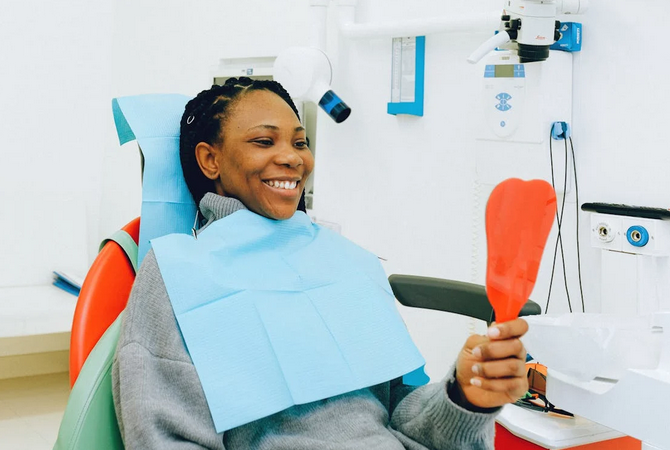
Dental implants are a reliable option for people wanting to replace missing teeth. They offer strength, stability, and a natural appearance, but the success of treatment depends on proper aftercare. Patients who choose Dental Implants in Bexley should know what to expect once the procedure is complete and how daily habits can make or break results.
The First Few Days After Surgery
Right after implant surgery, rest is your best friend. Avoid strenuous activities, heavy lifting, or anything that puts extra stress on your body. Swelling and mild discomfort are normal, but applying a cold compress can ease these symptoms. Think of it like giving your body the quiet time it needs to focus on healing. Your dentist may prescribe pain relief or antibiotics to support healing. Take them as instructed and don’t skip doses. Following directions carefully sets the foundation for smooth recovery. Skipping this step is like ignoring instructions on a new appliance—you risk malfunction later.
Foods to Eat

Diet plays a key role in early healing. Stick to soft foods like soups, mashed potatoes, or yogurt for the first week. Chewing on the surgical site can interfere with the implant settling properly. A soft diet might feel repetitive, but it saves you from setbacks that could delay recovery. Stay hydrated but avoid hot drinks that may irritate the area. Alcohol and smoking should also be off-limits, as they slow the healing process. Treat your mouth gently during this stage.
Oral Hygiene Without the Hassle
Keeping your mouth clean helps reduce the chance of infection. Gentle brushing is important, but don’t scrub directly over the implant site in the first few days. Instead, use a soft-bristled brush and rinse with salt water or a dentist-approved solution. Flossing should continue for your other teeth, but skip the implant area until your dentist gives the green light. Patience pays off here because rushing hygiene around the implant can cause irritation. Cleanliness with care is the balance you need.
Why Regular Checkups Are Essential
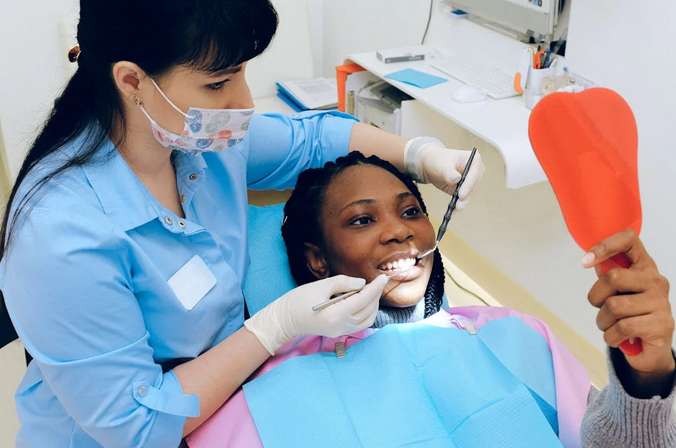
Your dentist will schedule follow-up visits to monitor progress. These appointments confirm the implant is bonding well with the jawbone. Missing them could mean small problems go unnoticed until they turn into bigger issues. Professional cleaning also makes a difference. Dentists have tools and skills that reach places your toothbrush can’t. Think of it as giving your implants an extra layer of protection. A small investment of time here prevents costly fixes down the line.
Long-Term Habits That Keep Implants Strong
Once healed, implants can last for years, but maintenance doesn’t stop. Everyday brushing, flossing, and routine checkups remain non-negotiable. Just because implants are artificial doesn’t mean they’re maintenance-free. Avoid habits like teeth grinding, biting ice, or opening packages with your teeth. These small actions can chip or crack the crown attached to your implant. Treat your new smile with the same care you would your natural teeth—if not more.
Getting implants is a big step toward restoring confidence and function. But their longevity depends heavily on what you do after surgery. With the right care, regular dental visits, and a few smart lifestyle choices, implants can serve you well for many years to come.…
Read More





 It is important to note that steroids are considered a controlled substance in the United States and many other countries. This means that it is illegal to transport steroids across state lines or buy them online without a prescription from an authorized doctor.
 It is also important to point out that steroids tend to have specific side effects. One of the most common is testicular atrophy, which occurs when testosterone levels are brought to higher than normal ranges through steroid use. This can result in serious health problems, including infertility and erectile dysfunction.
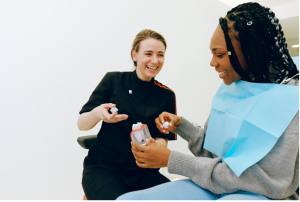 If you are one of the people who fear visiting the dentist, take heart because you are not alone. However, it is good to start by making a casual
 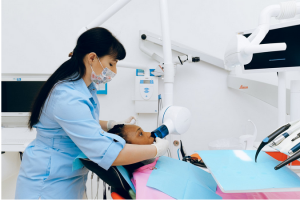 Regular dental visits are advisable because you will be solving oral issues before they can affect your oral health. The ultimate gain is retaining your teeth to your old age without having to undergo preventable pains and discomforts. Managing issues as they arise also saves you costly treatments in the future while trying to restore decayed teeth.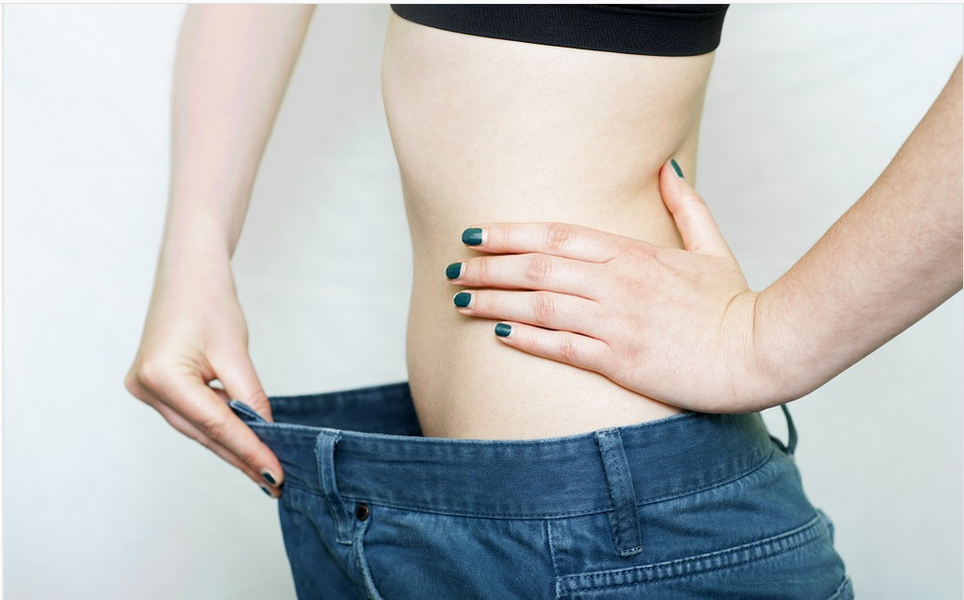
 Did you know it is estimated that 87% of US residents do not eat the recommended amount of vegetables? And even in other parts of the world people do not consume enough veggies and fruits. What’s worse, they eat lots of carbohydrates and other foods, making them add fat and gain unhealthy
  Many times people consume drinks without realizing that they are also a source of calories. You would be surprised to know that sugar-sweetened beverages like soda and others are associated with obesity and diabetes type 2. For example, a 16 ounce (475 ml) Coke bottle is loaded with around 200 calories and sugar, weighing 22grams.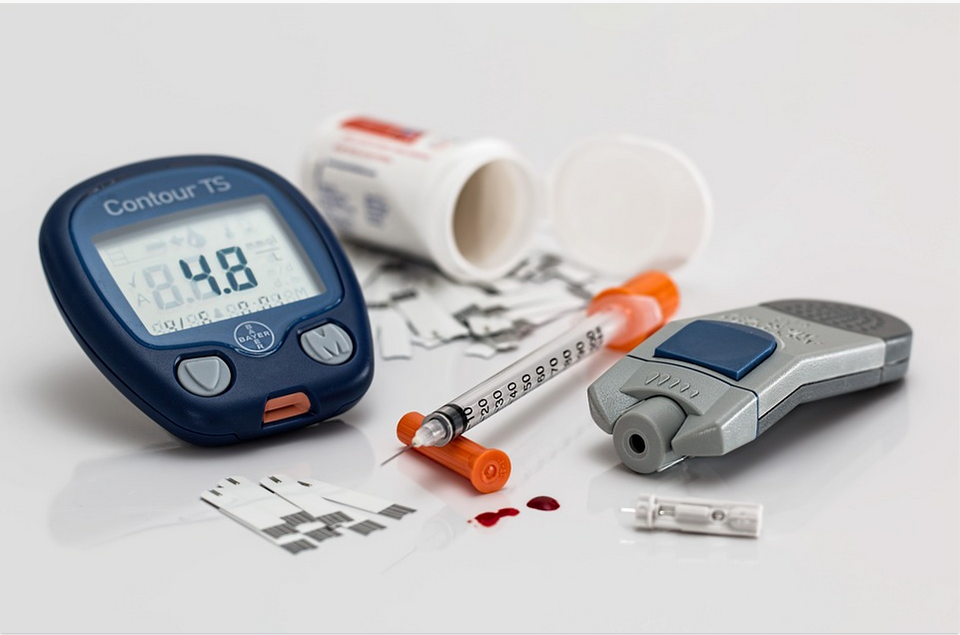
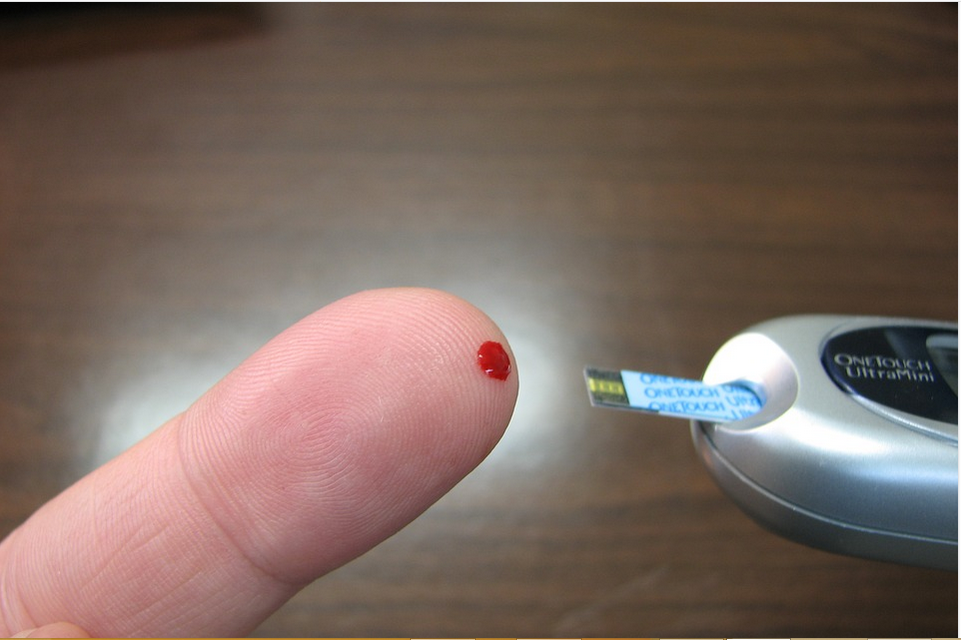 Also commonly referred to as a glucose meter, the device is used to measure how much glucose a drop of your blood contains. From the results, you can find out whether your blood sugar is too low or high. Your doctor will then advise you on what to do to bring your blood sugar to the required levels.


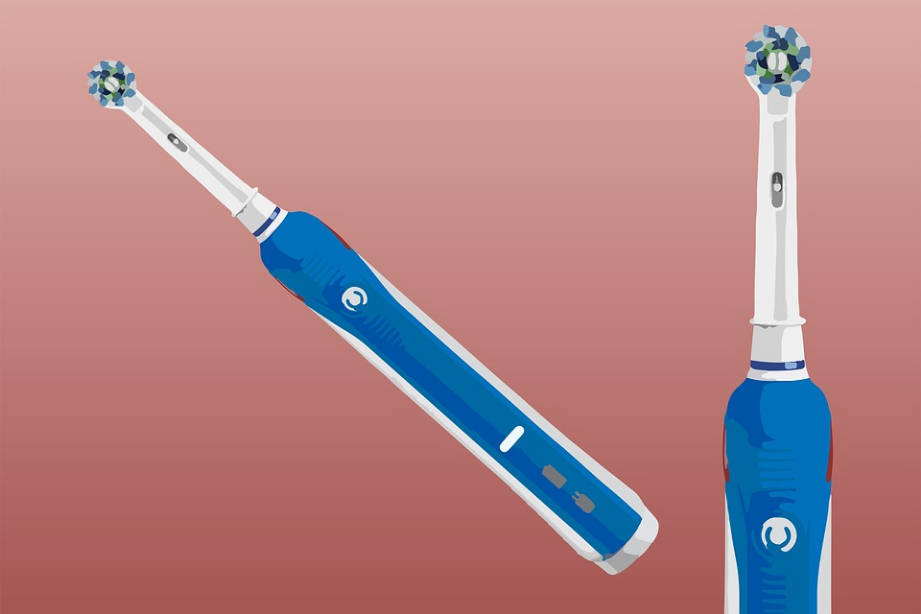
 If you have been dealing with severe plaque, it is a good idea to start investing in an electric toothbrush. Not only does it ensure better cleaning, but the device is also an effective way to get rid of plaque in your oral cavity. One may immediately think about visiting a
 Due to the design of motorcycles, riders are at risk of injury whenever an accident occurs. In fact, motorcycle accidents are likely to cause injuries as minimal as bruises and scrapes and life-threatening as neck and head injuries. A neurological team can respond to severe injuries and check whether the harm suffered has no serious neurological implications. Moreover, broken bones and road rash are likely, but the risks can be mitigated by using protective gear.
 Orthopedists employ a wide range of methods that can help restore your mobility and health after an accident. For instance, physiotherapy can be used to help with pain management. Other techniques include exercise, massage therapy, and hot/cold therapy. The doctors will investigate nerve and joint trauma, issues with range motion, and other problems of muscle strength.